


Wheels of Change: Women Who Moved America by Bike (Quiz)


Report to the start line! We're calling on everyone who's ever ridden a bike (or has aspired to) to ignite their competitive spirit with this little quiz about cycling history — specifically how women impacted cycling history in the U.S.
As the United States celebrates 250 years, it’s time to shine a light on the stories that never made it into the textbooks, like the ones told from the saddle of a bicycle. For more than a century, women have been riding, racing, protesting, commuting, and joy‑cruising their way into America’s cultural history, even when the official record barely noticed. Some riders became national sensations; others quietly rewrote the rules simply by showing up on two wheels.
This quiz celebrates those trailblazers. Get ready to meet the women who pedaled through barriers, reshaped the sport, and added a few thrilling chapters to the country’s 250‑year story.
Who was the first American woman to complete a high profile long distance cycling challenge, riding from San Francisco to New York in 1894?
Latvian-born immigrant to the U.S., Annie Cohen Kopchovsky became the first woman to ride around the world by bicycle between 1894 and 1895.
Which 19th‑century women’s rights leader famously declared that the bicycle had “done more to emancipate women than anything else in the world?"

Susan B. Anthony is most known for her pioneering leadership in the American women's suffrage movement. She tirelessly advocated for women's right to vote, which laid the groundwork for the 19th Amendment
Which Black cyclist challenged racial barriers in the 1890s and became a member of the League of American Wheelmen despite segregation?
Katherine Towle Knox became a card-carrying member of the League of American Wheelmen at a time when neither women nor people of color were accepted as equal members of society. More than that, she raced bikes in clothes that she designed and made herself, which extended her notoriety even further.
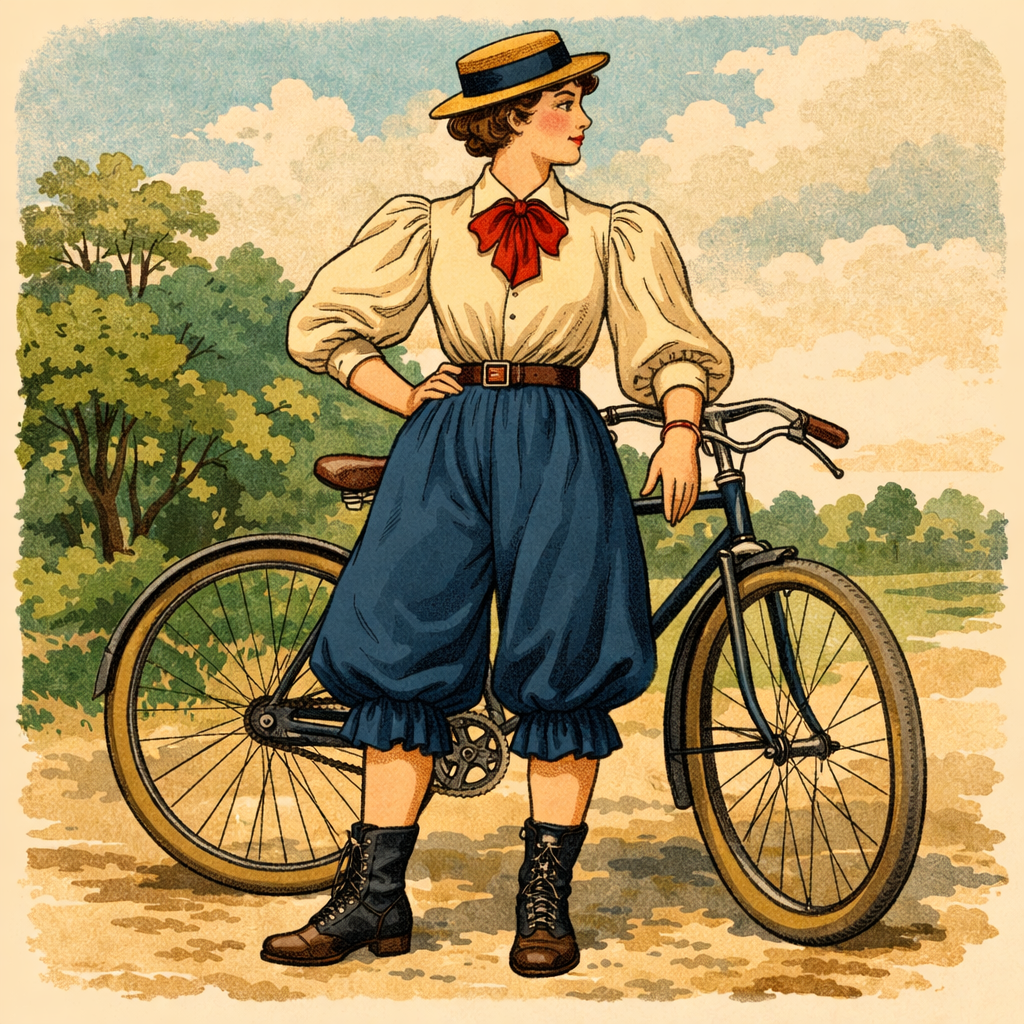
In the 1880s and 1890s, women cyclists helped popularize which major fashion reform?
Bloomers freed late 19th century women from restrictive heavy dresses, serving as both outerwear and early athletic wear. They are loose, wide-legged garments gathered at the knee or ankle.
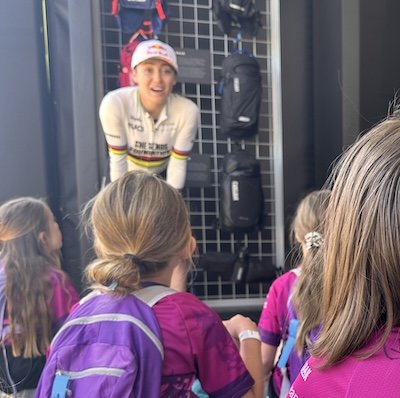

Who is widely considered the “founding mother” of women’s mountain biking and a pioneer of the sport in the 1980s?
Still active in mountain biking at 70, Jacquie Phelan can take credit for a lot of mountain biking's evolution. Founder of the National Off Road Bicycle Association (NORBA) and a charter member of the International Bicycling Association (IMBA), Phelan has been influential in creating opportunities for women in mountain biking since the 1980s.
What year is the Little Bellas logo pictured above from?
The Little Bellas logo has evolved since the organization's founding in 2007. One thing that's stayed the same, however, is "Mentoring on Mountain Bikes," which sums up the strength of Little Bellas.
Which American mountain biker won the first UCI Mountain Bike World Championship cross‑country title in 1990?
Juliana Furtado was the one to beat at nearly every national and world cup cross-country race in the early 1990s. As the favorite to win the inaugural Olympic mountain bike race in 1996, Furtado suffered under the Atlanta sun with yet-undiagnosed lupus, which forced her into early retirement. She wasn't done yet though, Juli started her own company, Juliana, to serve women riders demanding female-specific bike components.
Who became the first American woman to win the Elite XC Mountain Bike World Championships in 17 years when she took the title in 2018?
Kate Courtney is a veritable lightning bolt in 21st-century mountain biking. In addition to palmarès packed with race wins, Kate forges her own way and brings others along with her. In 2025, she launched She Sends Racing to further align her elite racing career with her mission to get more girls on bikes. In partnership with Little Bellas, Kate's She Sends Foundation strengthens our shared mission to get more girls on bikes.
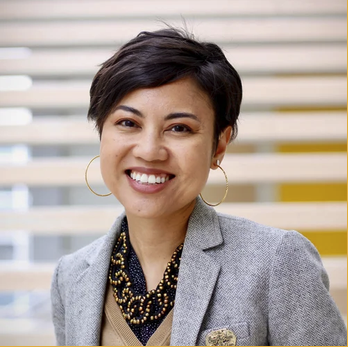

Photo by Rodger Champion

Which modern U.S. advocate founded Black Girls Do Bike, a national movement supporting representation, joy, and community for Black women cyclists? (*hint: the answer is in our News section)
“Camaraderie is the most powerful thing we have,” said Monica Garrison, founder of Black Girls Do Bike. Monica started Black Girls Do Bike because she saw a need for communities built around the joy of cycling for all women, but especially, women and girls of color. “We want to have a solid network so that people don’t have an excuse not to ride,” she said.
Which Latina transportation advocate co‑founded People for Mobility Justice, helping reframe cycling through the lens of equity, culture, and community power?
The great granddaughter of migrant farmworkers, María Silpin, leads from a position of fine-tuned experience and deep empathy for communities of color. She believes storytelling, leadership development, and opening pathways to higher education for young people of color can address inequities within institutions, and make urban planning processes more accessible and inclusive.
Which current Specialized rider dominated the 2023 season by winning Strade Bianche, the Ardennes Triple, and the Tour de France Femmes, becoming one of the most influential riders of her generation?
Need we say more about Adriana Geertruida "Demi" Vollering? Yes, in fact we do because Demi has accomplished more as a professional road racer than just about any racer (ever). Her list of wins goes on for days and she's showing no signs of stopping. Rather than us telling you, we'll let Demi show you (Instagram).